LED Neon vs Glass Neon: What Actually Differs
LED neon and glass neon suit different needs. Here is how they differ in look, form, care and placement, and what to ask before choosing.
By Emre Neon5 min read
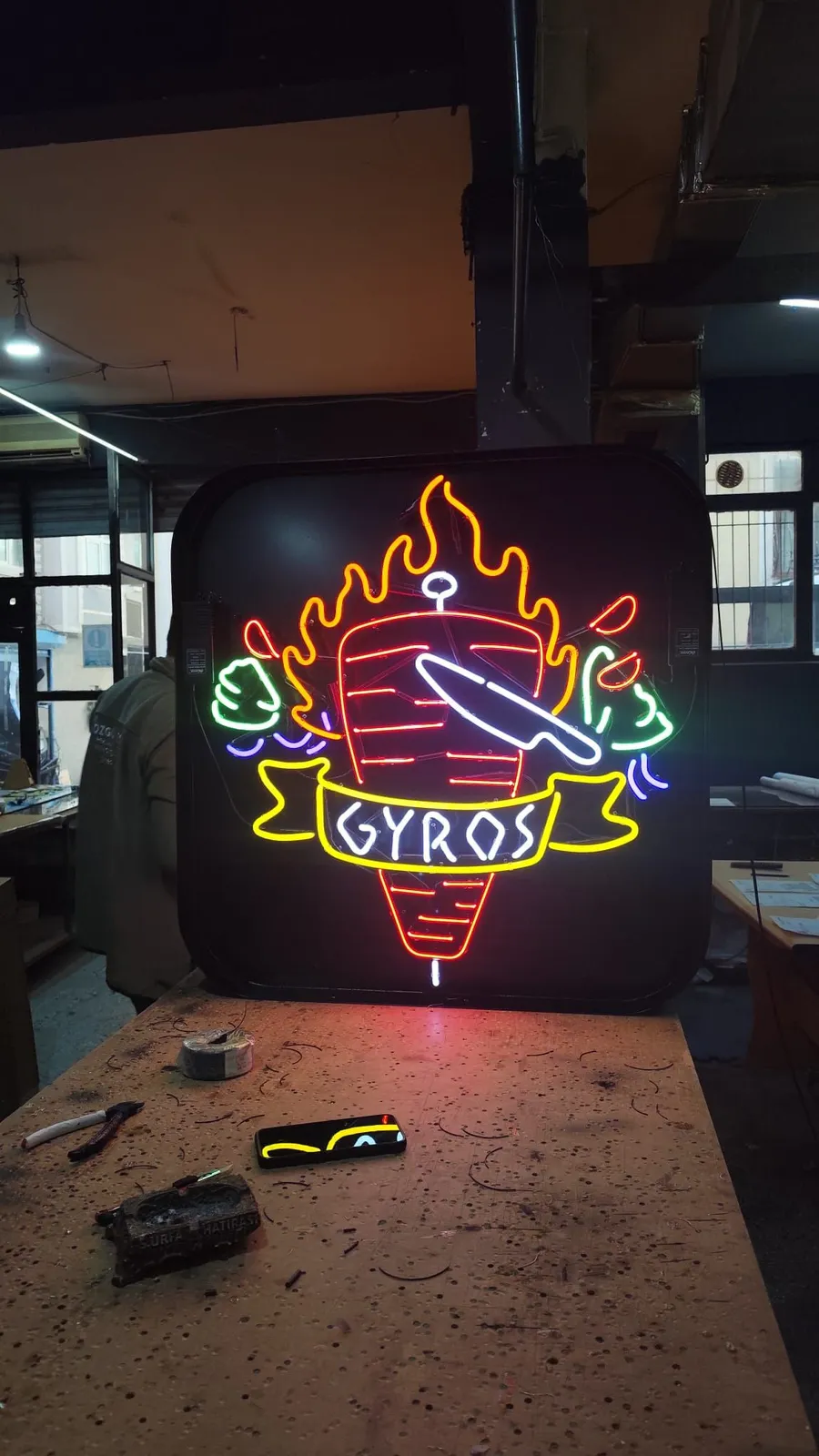
"LED neon or glass neon?" has no single right answer. Both give you a neon look, but they differ in construction, visual character and everyday use. Emre Neon makes both, so this comparison is meant to help you decide, not to push you toward one option.
The two products in brief
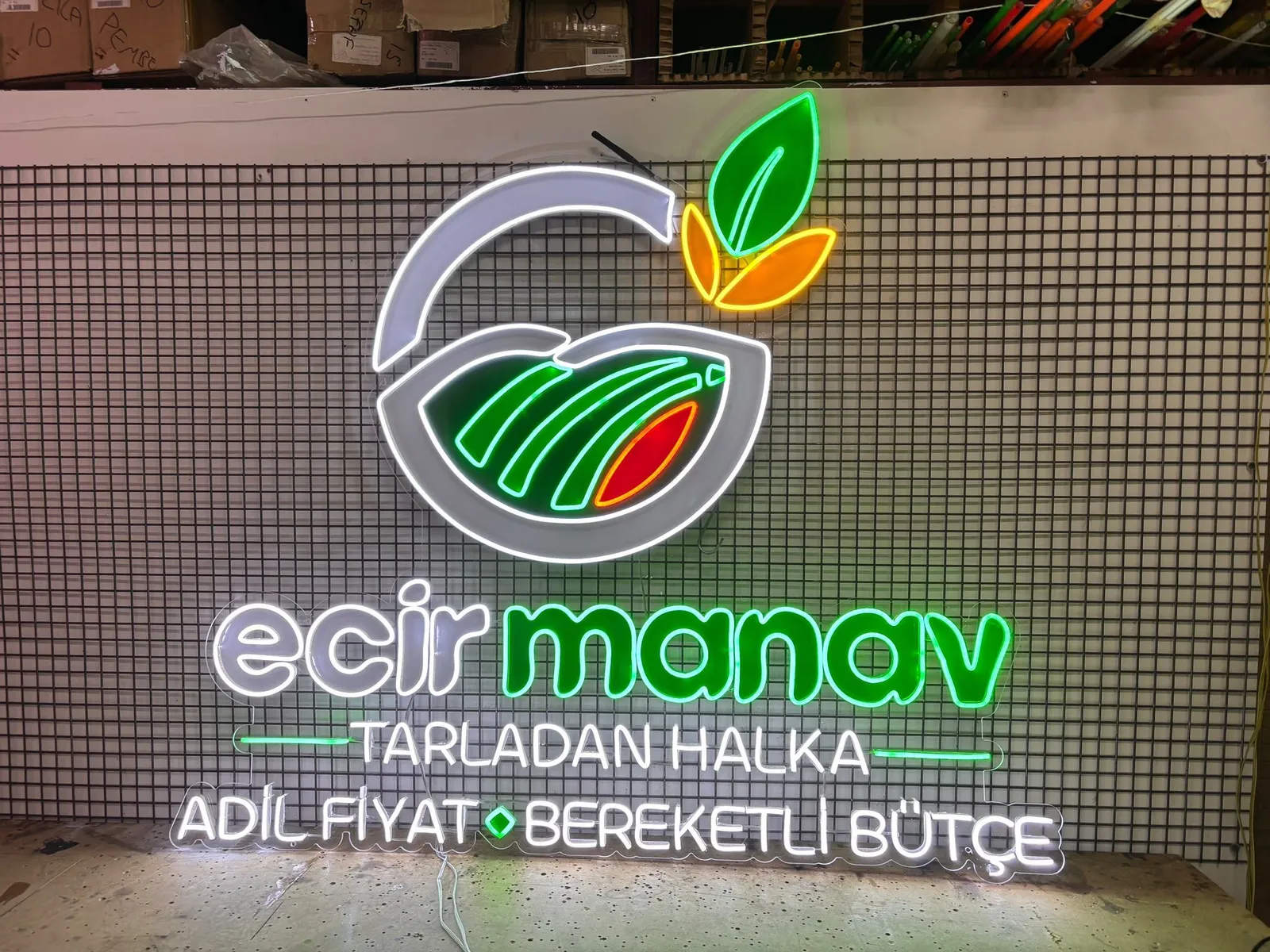
LED neon (flex) houses an LED light source inside a flexible silicone-style body. The body can be bent, cut to length and fixed onto a backboard. In most projects it is mounted on clear or contour-cut acrylic and runs from a low-voltage adapter.
Glass neon is the traditional method. The light is produced inside a shaped glass tube. Shaping the tube takes real craft and is done only in workshops that know how.
Both look like a glowing line on a wall. The differences start in the details.
Visual character
For most people this is the deciding factor.
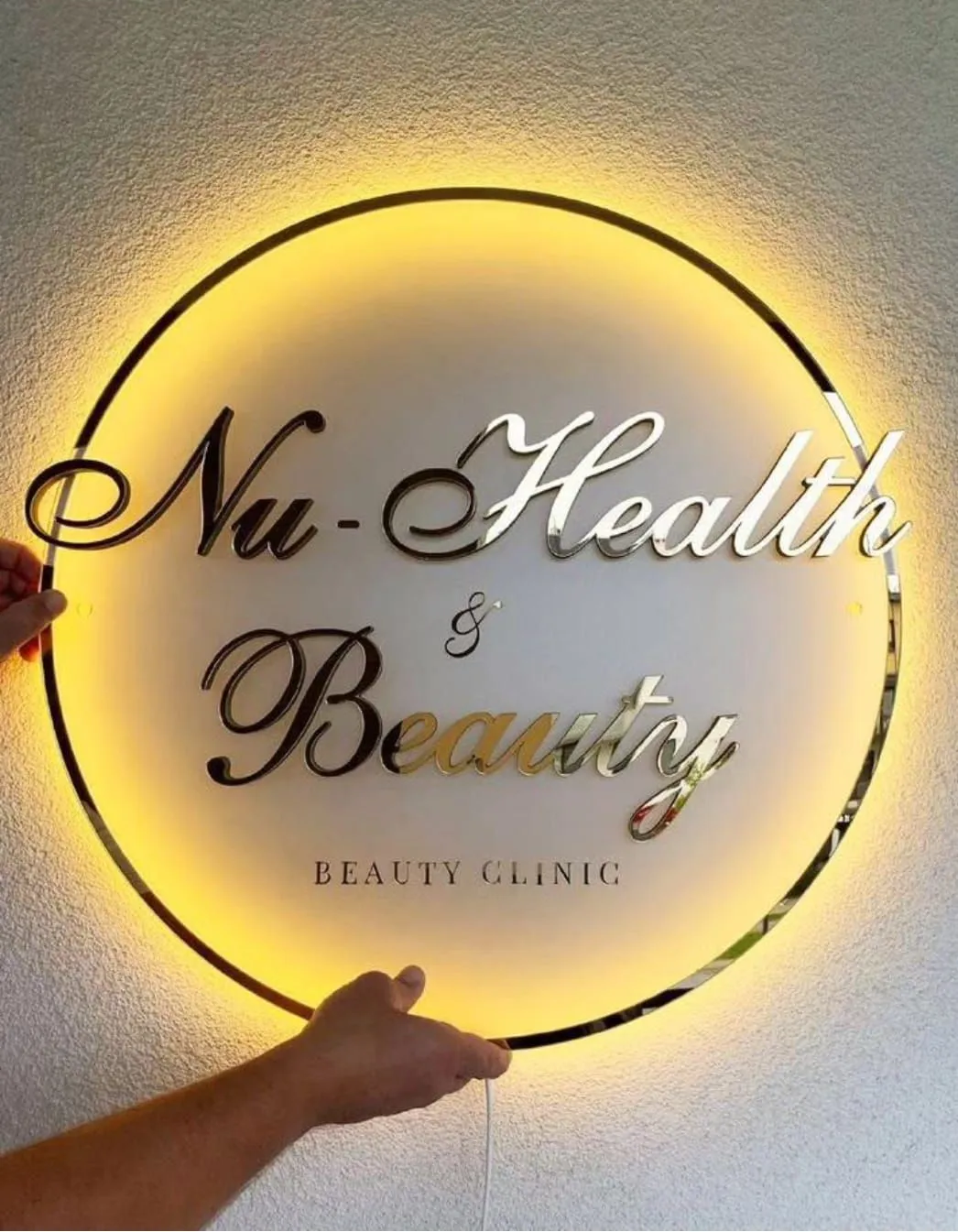
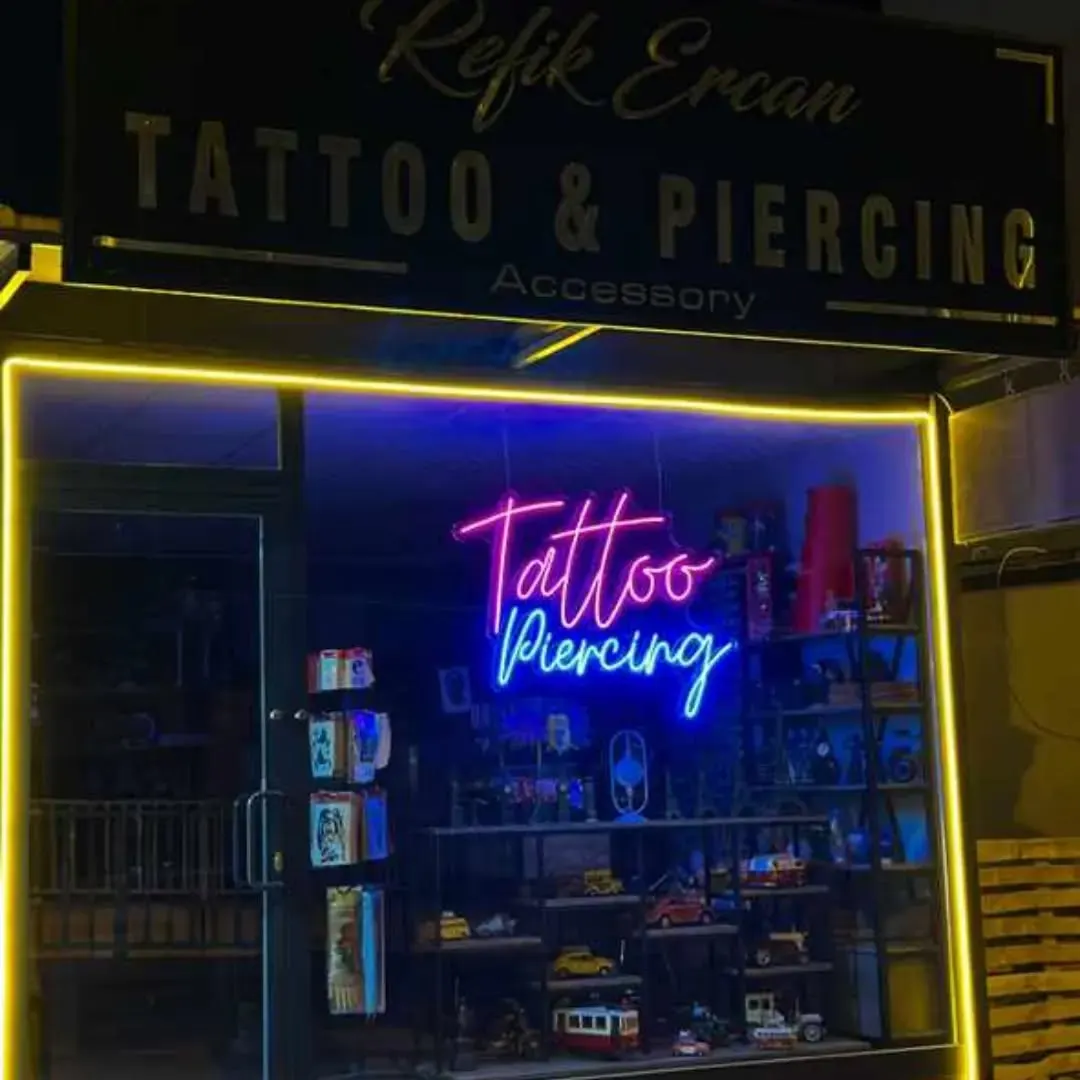
- Glass neon often gives a warm, soft and glowing light. There is a slight halo around the line and a classic, retro feel. That is why nostalgic venues, bars and restaurants, and art and gallery spaces often choose it.
- LED neon gives a more even, crisp and consistent line. The color range is wide and the light is spread uniformly along the run. It is a frequent pick for modern, minimal or youthful projects.
If you plan to shoot photos or video, ask for examples of how each looks on camera. Lighting, surroundings and camera settings all play a part.
Form freedom
- LED neon is flexible. It generally gives more freedom with corners, curves and line direction. Very tight loops and fine detail can still be limited, but overall it is a forgiving product for form.
- Glass neon works within the physical limits of a glass tube. Graceful curves are possible; very dense detail and sharp turns get harder. Every line has to follow a tube path.
If your logo is crowded or has very fine detail, either option may need simplifying. Get an opinion on that during the design stage.
Where each is used, and typical scenarios
The table below shows general tendencies. A specific project may point the other way.
| Topic | LED neon | Glass neon |
|---|---|---|
| Look | Crisp, even line | Warm, soft light with a halo |
| Form | Flexible, versatile | Tied to the tube path |
| Build | Flexible body fixed to a backboard | Shaped glass tube |
| Handling | Generally lighter and easier | Needs more careful handling because it is glass |
| Typical use | Offices, cafes, shops, weddings, homes | Bars, restaurants, galleries, classic looks |
| Care | Simple cleaning | Simple cleaning, mind the fragility |
For ideas on where signs are used, browse our applications page.
Which one comes to mind in which situation
These are typical scenarios, not hard rules.
- A nostalgic bar or restaurant: The warm glow of glass neon can fit a classic atmosphere. LED neon can also reach a similar mood with the right color and font.
- A modern office or studio: The crisp line of LED neon pairs well with a clean, contemporary look.
- Weddings and events: For signs that get carried, set up and taken down, weight and fragility matter, so LED neon is often considered.
- Kids' rooms and homes: Durability and safety come first. Describing the location and surroundings helps in choosing the right product.
- A complex logo: With very curvy or interlocking logos, form freedom becomes decisive. You need to see the design first.
Use this list as a starting point. The real decision becomes clear when your design and your space are looked at together.
Indoor and outdoor
Indoors, both products are easy to consider. Outdoors, the decision depends on whether the product can be built for outdoor conditions and how it will be installed. Rain, humidity, wind and sun affect both the materials and the connection points.
If you have an outdoor sign in mind, say so when requesting a quote and discuss suitability and installation with your manufacturer. We do not promise a fixed figure or protection rating here; each project is assessed individually.
Care
The basic rules are the same for both:
- Unplug before cleaning.
- Use a soft cloth, dry or slightly damp.
- Keep the adapter dry and ventilated.
- If you see flickering, a section that does not light, or cable damage, stop using it and contact a professional. Do not open the transformer or electrical connections yourself.
With glass neon, also watch for impact. Glass tubes are fragile, so handling and placement matter more. LED neon is less fragile but can still be damaged by hard knocks or excessive bending.
Light control
Whichever product you choose, being able to adjust brightness adds comfort. Say up front whether you want a dimmer or another controller. Daytime and evening light look different depending on the space, and a brightness setting can let one sign work in both busy and calm settings. Ask at the quote stage which control options come with which product.
What affects the price
We are not quoting numbers here. In every project, price is shaped by these factors:
- Size and total line length. Large designs with long runs need more material and labor.
- Shape complexity. Many corners, curves and details make production harder.
- Number of colors. Each color change adds work.
- Backboard choice. Clear, colored, contour-cut or mirror surfaces carry different costs.
- Product type. Labor differs between glass and LED neon.
- Installation and delivery. Height, surface and outdoor conditions can show up in the price.
Saying "one is always cheaper" is misleading. The most honest method is to ask for a quote for the same design in both options and compare them.
Which to choose: a short checklist
These questions make the decision easier:
- What light do you want: crisp and even, or soft and glowing?
- How curvy or finely detailed is your design?
- Where will it hang: home, office, cafe, window, outdoors?
- How comfortable are you with transport, installation and the chance of knocks?
- What does the gap between the two quotes mean for you?
You can browse LED neon products and glass neon products side by side to compare examples.
What comes next
If you cannot decide, the most practical step is to try the same design with both product types. In Design Your Neon, set your text, color and size and preview the result, then send the design to us for a quote by WhatsApp or form.
Frequently asked questions
No. They have different strengths. One may suit a given project better and the other will suit a different one. The right choice depends on where the sign goes, the look you want, the complexity of the shape and your budget.
It depends on how the product is built and how it will be installed. If you are considering an outdoor sign, it has to be produced for outdoor conditions. Always state the location when asking for a quote.
We cannot give a fixed difference. Price varies with size, shape complexity, number of colors, backboard choice and installation needs. Send us your design or contact us for pricing, and we share it once we have reviewed the project.
Share your design, the location and the look you are after. We can then share a quote for both options, which usually makes the decision easier.