How Neon Signs Are Made: From Design to Installation
A step-by-step look at how a neon sign goes from an idea to a lit wall. See which decisions are yours and which the manufacturer handles.
By Emre Neon6 min read
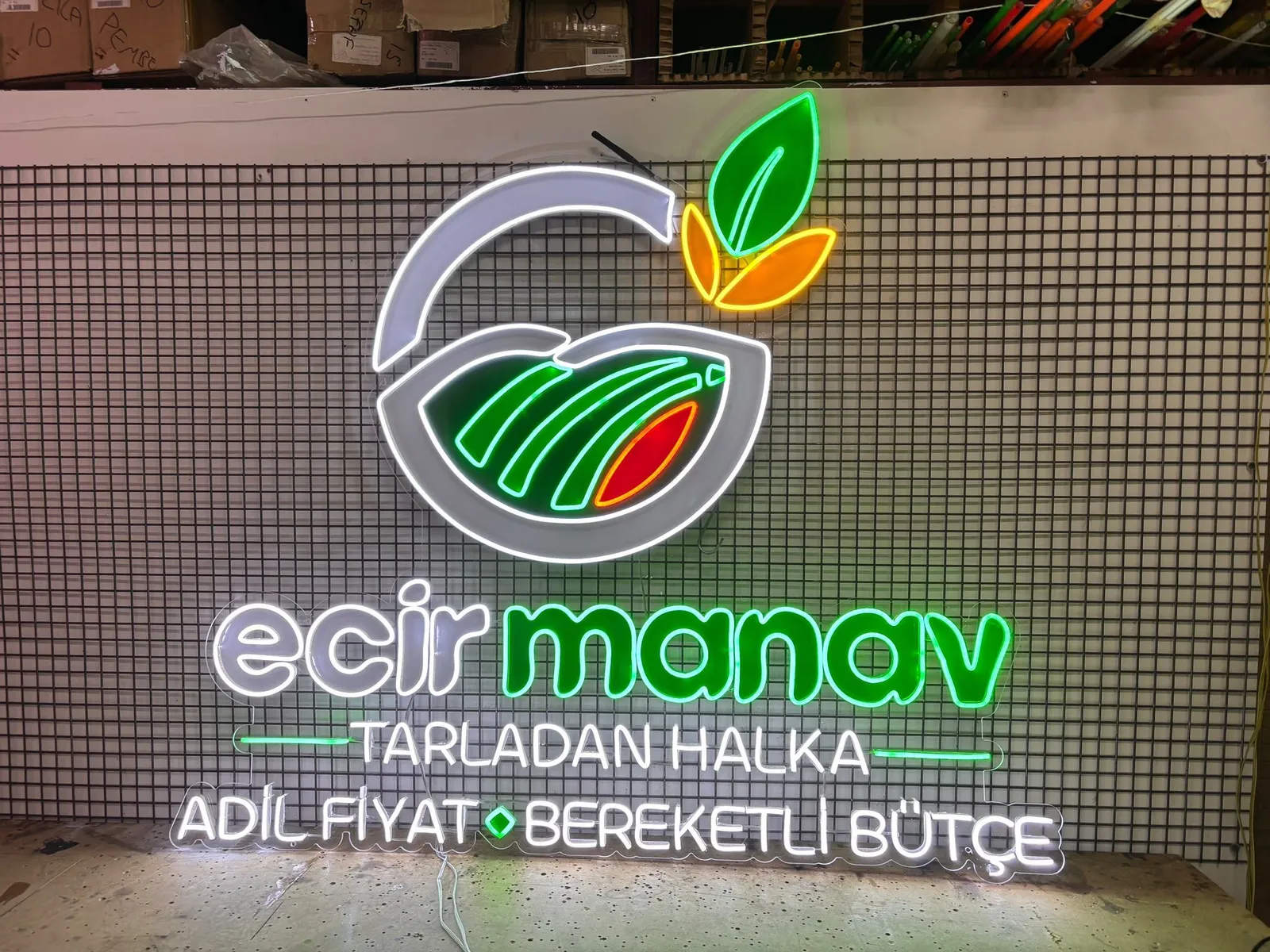
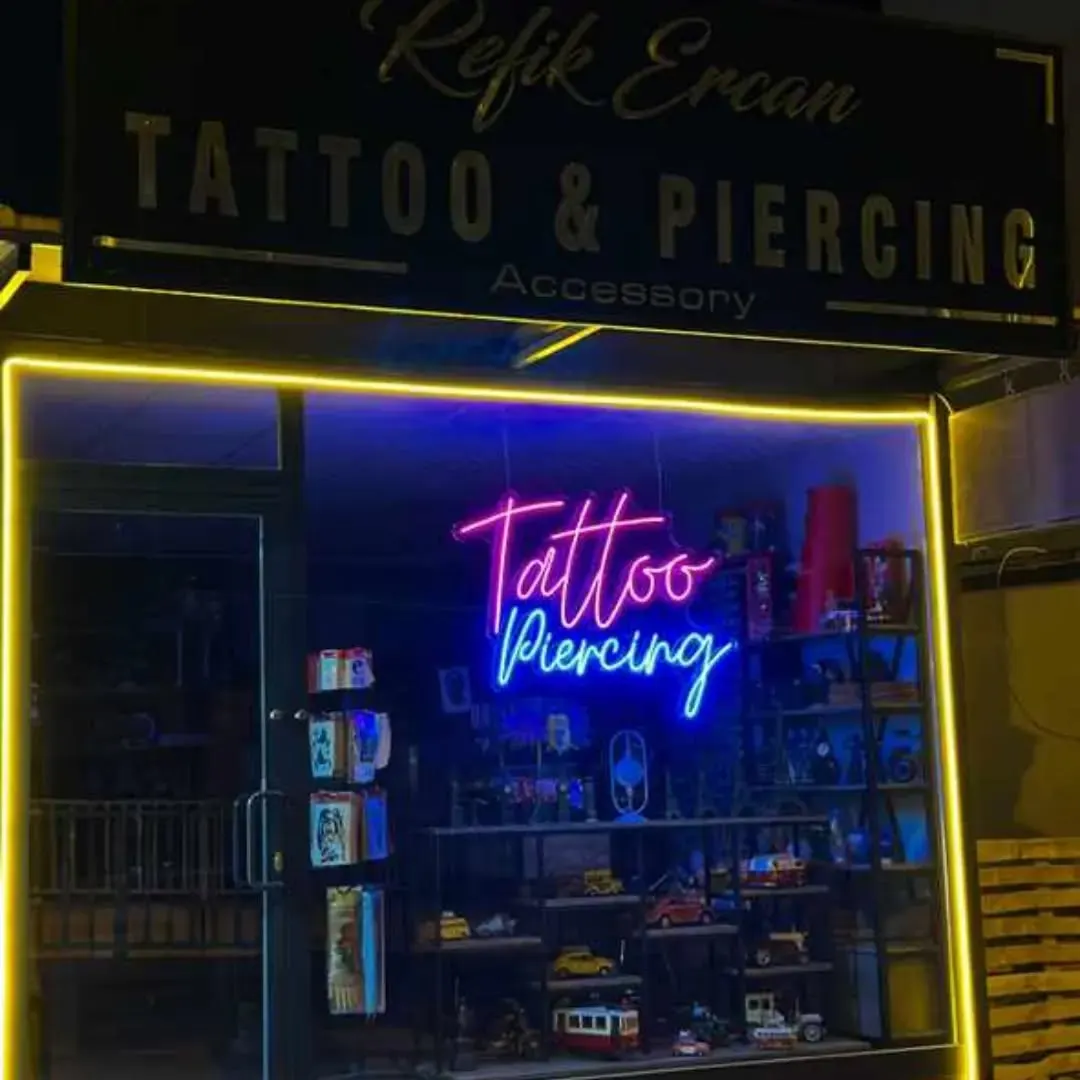
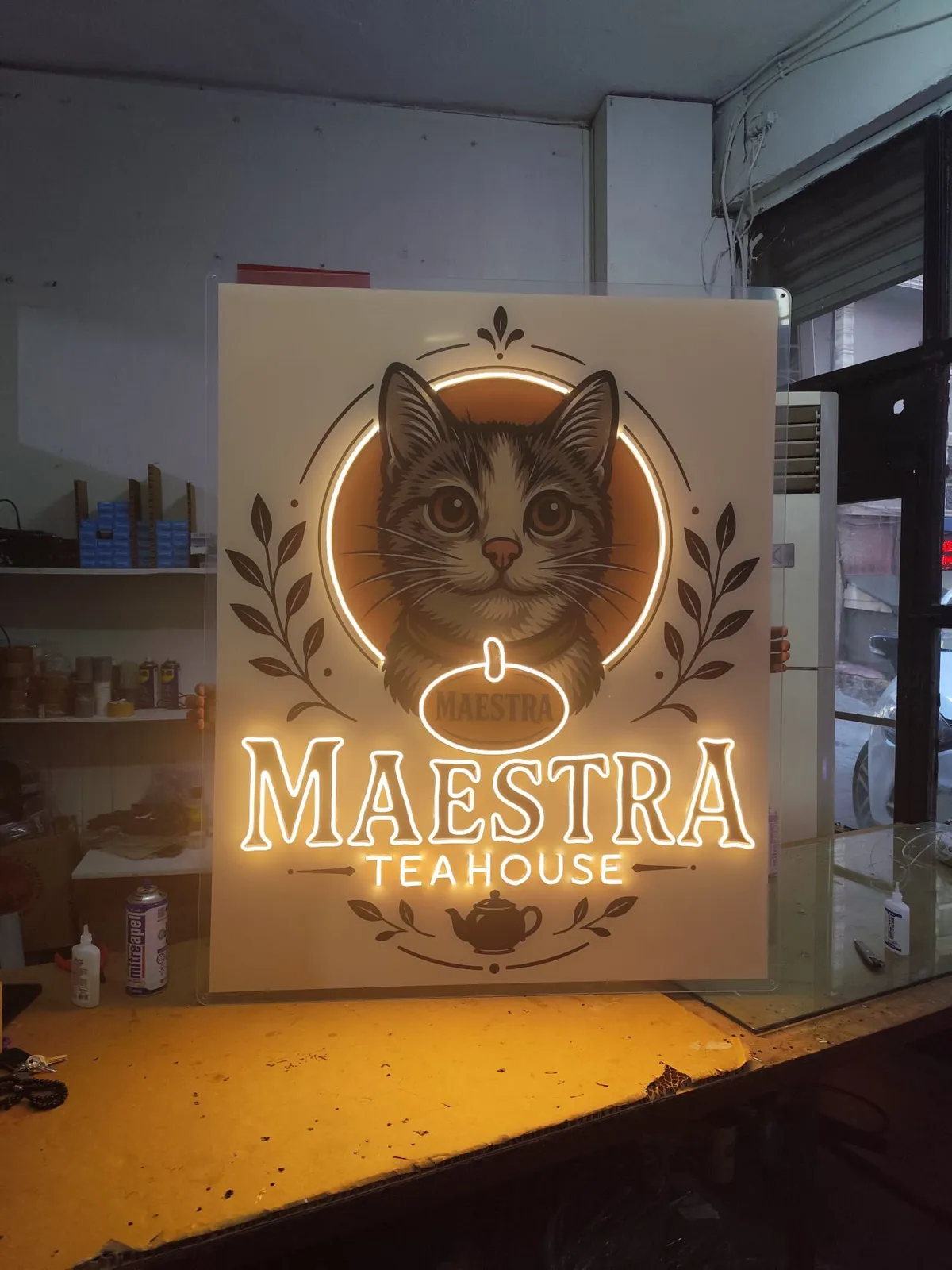
A neon sign looks simple from the outside: a glowing word or shape on a wall. Getting there involves a series of decisions, and each one affects the result. This guide walks through the whole process in order, from the first idea to installation and care.
We focus on the points where you make choices, not on manufacturing detail. A good sign usually starts with a good brief.
1. Defining the need: the brief
Answering three questions before design begins saves time.
- Where will it hang? An indoor wall, a shop window, a desk or outdoors. The setting influences both the material and the product type.
- What will it say? A name, a slogan, a logo or a decorative shape. Short text is easier to read from a distance.
- Who will see it, and from where? Will customers see it as they walk in, or is it a backdrop for photos? Viewing distance drives size.
It also helps to share your budget range and timeline up front. If the sign is tied to a date, such as a wedding, an opening or an event, say so early so planning can account for it.
2. Design, size and color
Font and form
In a neon sign, the line is the path the light follows. That is why every design is treated as one continuous line. Very fine detail, lines placed too close together and sharp corners are difficult to render in neon.
Some practical tips:
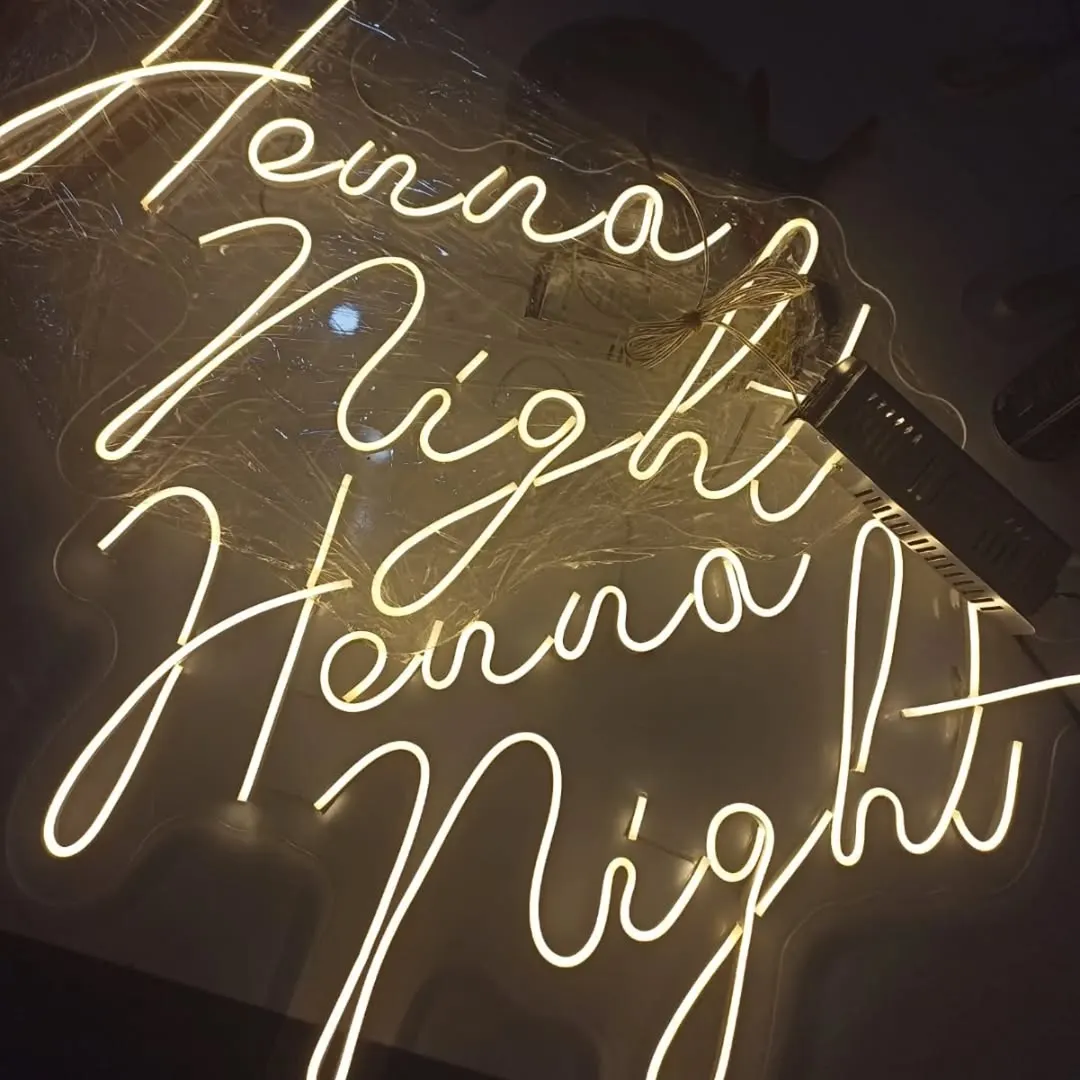
- Script fonts flow well and look great in neon, as long as the connections between letters are clear.
- Block letters have the edge for readability at a distance.
- If your logo has many layers, a simplified version may be needed. For logo conversion, see the logo upload mode.
Changing a design after approval is far more work than changing a drawing. Seeing the design on screen before you decide is the safest route.
Size
Size is a balance between visibility and scale. Consider these together:
- The width of the wall or window.
- The number of letters. More letters at the same width means smaller letters.
- Viewing distance. A sign meant to be seen from the door should be larger than one seen from a desk.
- Surroundings such as shelves, lighting and decor.
If you struggle to decide, taping a paper template to the wall and stepping back a few paces works surprisingly well. Price is closely tied to size too, but an exact figure needs a quote.
Color
Color is not only an aesthetic choice. Legibility and brand identity come into play.
- Background: Neon stands out more on a dark wall. In bright rooms the contrast can drop.
- Brand color: Choosing a tone close to your logo keeps things consistent.
- Warm and cool tones: Warm white feels soft and inviting; cool white feels crisper and more modern.
- Multiple colors: Possible, but every color change complicates the design. Two or three colors often look more balanced.
The color you see on a screen may not match the color of the actual light exactly. For a critical brand color, ask your manufacturer for a sample.
3. Material and backboard
The base behind a neon sign matters as much as the light source. Emre Neon makes LED neon (flex), mirror/plexi neon, glass neon, channel letters and lightboxes. Which one fits depends on where it will be used and the look you want. To see the differences, read our LED neon vs glass neon comparison.
Common backboard options include:
| Option | General character | Where to consider it |
|---|---|---|
| Clear acrylic | The sign appears to float while light reflects onto the wall | Modern interiors, windows |
| Colored or frosted acrylic | Lets you play with the background color | Projects where brand color matters |
| Contour (shaped) cut | Follows the outline of the text or logo for a minimal look | Logo and decorative signs |
| Mirror surface | Reflects light and adds depth | Decorative and special spaces |
If you are not sure which material suits your project, describe the location and what you expect from the sign. Those two details are usually enough for good guidance.
4. Production: the general picture
The technical details of production call for specialist skills, so we do not describe them step by step here. At a high level, the flow looks like this:
- The approved design is turned into a production drawing.
- Depending on the chosen material, the light element is prepared to follow the line. For glass neon, this work is done by craftspeople trained for it.
- The light element is fixed onto the backboard.
- The electrical connection and the transformer or adapter setup are completed by a specialist.
What is expected of you at this stage is to avoid changing your mind after approval. Even a small change can reopen the drawing and the material calculation.
5. Testing and installation
Testing and checking
Before delivery, a sign is generally expected to be checked for lighting, color, brightness and connection points. When you receive it, you can look at these too:
- Do all lines light evenly and without breaks?
- Does the color match the design you approved?
- If there is a dimmer or controller, does it work?
- Are the cable and adapter the right length and in a sensible place?
If you notice a problem, do not open the sign yourself. For anything electrical, contact the manufacturer or a qualified electrician.
Installation
The method depends on the sign type and the surface. Wall mounting, window fixing, ceiling suspension and freestanding desk use are the most common.
General points to keep in mind:
- Make sure the wall can take the load. Drywall and masonry need different fixings.
- Choose a spot near a socket and a cable outlet. Trailing cables hurt both looks and safety.
- Keep the adapter dry and ventilated.
- For large, heavy or outdoor signs, leave installation to a professional.
Emre Neon's process runs from design to quote, approval, production and delivery/installation. Talking through how installation will work at the quote stage reduces surprises.
6. Care
A neon sign needs little upkeep in daily use, but a few habits help:
- Unplug it before cleaning.
- Wipe with a soft, dry or slightly damp cloth. Avoid abrasive products.
- Do not cover or wet the adapter.
- Use a lint-free cloth so acrylic does not get scratched.
- If you see flickering, partial lighting or cable damage, stop using the sign and contact the manufacturer.
Common mistakes
Small slips early on are what cost the most time later.
- Making the text too long. Long sentences either shrink the letters or push the sign larger than needed. Where possible, pick a single name or a short phrase.
- Ignoring the background. A colored or patterned wall changes how the light looks. Sharing a photo of the wall helps.
- Forgetting the cable route. Where the socket is affects how the sign hangs. Discuss it during design.
- Leaving the dimmer to the end. If you want to adjust brightness, say so from the start. Day and night looks can differ by location.
- Trusting screenshots alone. To judge real scale, trying a template on the wall is more reliable.
What comes next
The easiest way to start is to see your design on screen. In Design Your Neon you can try your text, font and color, and then send the design to us for a quote by WhatsApp or form.
Frequently asked questions
No. A phrase, a logo or even just an idea can be enough. Font, size and color are settled together during the design stage. If you already have a logo file, sending it makes the process easier.
Consider the width of the wall, the distance people will view it from and the number of letters in the text. The longer the text, the smaller the letters at the same width. If you are unsure, share your measurements and we can work it out during design.
Prices are not listed on the site. Send us your design or contact us on WhatsApp, Instagram or by phone, and we share the price for your project.
Hanging a small indoor sign is often simple, but ask a professional about anything involving electrical connections or the transformer. For outdoor and large signs, professional installation is the safer choice.